[[Skip Header and Navigation] [Jump to Main Content]
« עברית
  • Home
  • News
    • Press Releases
    • In the News
    • Subscribe to Press Releases
    • Honors and Awards
    • Visits
    • Events

    Press Releases

    17 Jun 2013
    Mice in a “Big Brother” Setup Develop Social Structures
    16 May 2013
    Weather on the Outer Planets Only Goes So Deep
    18 Apr 2013
    Neural Activity in Bats Measured In Flight

    More »

    Research Highlights

    germ cells
    Alternate Endings
    A newly discovered cell-death pathway could help fight cancer
    side effects
    Side Effects

    “Feel-good” drugs like Prozac may have an unwanted side effect: diabetes

    overgrown leaf
    Limits to Growth

    Most of the many factors for determining leaf size turn out to put on the brakes, rather than promote growth

    More »

    Honors & Awards

    Prof. Israel Pecht will be awarded an Honorary Doctorate Degree in Biology from National and Kapodistrian University of Athens
    More »

    Full list »

    |
    | | | | | |
    |
  • Research
    • By Subject
    • What We Are Doing About:
    • From Basic Research to Benefiting Humanity
    • Shaping the Future

    By Subject

    Alternative Energy Materials Science
    Astrophysics Mathematics
    Biochemistry  Molecular Cell Biology
    Bioinformatics Nanoscience
    Biomedical Biology Neuroscience
    Cancer Particle Physics
    Chemistry Physics
    Computer Science Plant Sciences
    Environment Quantum Physics
    Evolution Scientific Archaeology
    Genetics Structural Biology

    What We Are Doing About:

    • Cancer
    • Diabetes
    • The Environment
    • Nanoscience
    • Energy

    Benefiting Humanity

    Prof. Amos Breskin
    Prof. Amos Breskin develops advanced radiation detectors, which have an important impact on many fields of research, such as particle, nuclear and atomic physics, medical diagnostics, biology and materials science.
     
    Application

    More »

    Full list »

    |
    | | | | | |
    |
  • Magazines and Multimedia
    • Annual Report
    • Interface - Online Magazine
    • The Weizmann International Magazine of Science and People
    • Books
    • Nano Comics
    • Galleries
    • Horizons - Online Magazine
    Annual Report 2012
    The 2012 Report
    Annual Report 2012
    2012 and Beyond
    Research Highlights
    New Developments
    Technology Transfer
    Summary of Operating Results
    More »

    Magazines

    Current Issue: Spring 2013
    Interface magazine Spring 2013
    Magazine Sections
    Science Feature Articles
    Made at the Institute
    Time Tunnel

    Archive »

    Latest Videos

    CRASH
    The Race for the Higgs Boson
    • Monitoring Carbon Exchange
    • Thanks for the Memories
    • Quantum Computing
    • Back to Basics - Forward to the Future
    More »
    |
    | | | | | |
    |
  • About the Institute
    • Overview
    • History
    • Virtual Tour
    • Visiting the Institute

    Overview

    • Multidisciplinary Research
    • Facts and Figures
    • Pioneering Progress
    • Training Future Scientists
    • Science is for Sharing
    • Advancing Israel
    • New Horizons
    • Beauty in Science

    History

    Dr. Chaim Weizmann

    Chaim Weizmann was born in 1874 to a traditional Jewish family in the small town of Motol in White Russia (Belarus). After graduating with honors from the Real-Gymnasium in Pinsk, he decided to establish himself professionally

    More »
    Weizmann House
    • History and Architecture
    • The Collection
    • The Tour
    • The Garden
    • The Grave
    • Erich Mendelsohn
    • The Presidential Car Vintage Wheels

    Visiting the Institute


    • Visitors Center
    • Weizmann House
    • Clore Garden of Science
    |
    | | | | | |
    |
  • Weizmann Institute Homepage
Home » 2005 » Administering the Institute » From the President » Annual Report
Magazines and Multimedia
  • Annual Report
    • 2012
      • Facts and Figures
      • 2012 and Beyond
      • Research Highlights
      • Welcome Aboard
      • Grants
      • Prizes and Honors
      • New Developments
      • Feinberg Graduate School
      • Alumni
      • Technology Transfer
      • Summary of Operating Results
      • Officers
      • The Supporting Network
      • Thank you
    • 2011
      • Administering the Institute
        • From the Chair
        • From the President
        • The Vice Presidents
        • The Deans
        • At the Helm
      • Research
      • Financial Highlights
      • Roll of Honor
        • Honorary Doctorates of the Weizmann Institute of Science
        • Honorary Fellows of the Weizmann Institute of Science
        • Other Prizes Given under the Auspices of the Weizmann Institute of Science
        • Prizes and Honors
        • Prizes Awarded by the Scientific Council of the Weizmann Institute of Science in 2010
        • Weizmann Awards in the Sciences and Humanities
      • Supporting Network
    • 2010
      • Administering the Institute
        • From the Chair
        • From the President
        • The Vice Presidents
        • The Deans
        • At the Helm
      • Research
      • Financial Highlights
      • Roll of Honor
        • Honorary Doctorates of the Weizmann Institute of Science
        • Honorary Fellows of the Weizmann Institute of Science
        • Weizmann Awards in the Sciences and Humanities
        • Prizes and Honors
        • Prizes Awarded by the Scientific Council of the Weizmann Institute of Science in 2010
        • Other Prizes Given under the Auspices of the Weizmann Institute of Science
      • Supporting Network
    • 2009
      • Administering the Institute
        • From the Chair
        • From the President
        • The Vice Presidents
        • The Deans
        • At the Helm
      • Research
      • Financial Highlights
      • Roll of Honor
        • Honorary Doctorates of the Weizmann Institute of Science
        • Honorary Fellows of the Weizmann Institute of Science
        • Weizmann Awards in the Sciences and Humanities
        • Prizes and Honors
        • Prizes Awarded by the Scientific Council of the Weizmann Institute of Science in 2009
        • Other Prizes Given under the Auspices of the Weizmann Institute of Science
        • Honorary Doctorates of the Weizmann Institute of Science
      • Supporting Network
      • Historical Record of Major American Contributions
        • President's Circle
        • Research Centers
        • Buildings and Facilities
        • Residential Areas, Gardens and Courts
        • Research Wings and Laboratories
        • Science Education Programs
        • Professorial Chairs
        • Career Development Chairs
        • Major Funds
        • Research, Maintenance and Instrumentation Funds
        • Endowed Scholarships
        • Endowed Fellowships
        • Major Supporters
        • Gifts in Trust
        • Foundations and Associations
        • US Government
        • American Committee
        • Board of Directors
    • 2008
      • Administering the Institute
        • From the Chair
        • From the President
        • The Vice Presidents
        • The Deans
        • At the Helm
      • Research
      • Financial Highlights
      • Roll of Honor
        • Honorary Doctorates of the Weizmann Institute of Science
        • Honorary Fellows of the Weizmann Institute of Science
        • Weizmann Awards in the Sciences and Humanities
        • Prizes and Honors
        • Prizes Awarded by the Scientific Council of the Weizmann Institute of Science in 2007
        • Other Prizes Given under the Auspices of the Weizmann Institute of Science
      • Supporting Network
      • Historical Record of Major American Contributions
        • President's Circle
        • Research Centers
        • Buildings and Facilities
        • Residential Areas, Gardens and Courts
        • Research Wings and Laboratories
        • Science Education Programs
        • Professorial Chairs
        • Career Development Chairs
        • Major Funds
        • Research, Maintenance and Instrumentation Funds
        • Endowed Scholarships
        • Endowed Fellowships
        • Major Supporters
        • Gifts in Trust
        • Foundations and Associations
        • US Government
        • American Committee
        • Board of Directors
    • 2007
      • Administering the Institute
        • From the Chair
        • From the President
        • The Vice Presidents
        • The Deans
        • At the Helm
      • Research
      • Reaching the Community
      • Financial Highlights
      • Roll of Honor
        • Honorary Doctorates of the Weizmann Institute of Science
        • Honorary Fellows of the Weizmann Institute of Science
        • Weizmann Awards in the Sciences and Humanities
        • Prizes and Honors
        • Prizes Awarded by the Scientific Council of the Weizmann Institute of Science in 2007
        • Other Prizes Given under the Auspices of the Weizmann Institute of Science
      • Supporting Network
      • Historical Record of Major American Contributions
        • President's Circle
        • Research Centers
        • Buildings and Facilities
        • Residential Areas, Gardens and Courts
        • Research Wings and Laboratories
        • Science Education Programs
        • Professorial Chairs
        • Career Development Chairs
        • Major Funds
        • Research, Maintenance and Instrumentation Funds
        • Endowed Scholarships
        • Endowed Fellowships
        • Major Supporters
        • Gifts in Trust
        • Foundations and Associations
        • US Government
        • American Committee
        • Board of Directors
    • 2005
      • Administering the Institute
        • From the Chair
        • From the President
        • The Vice Presidents
        • The Deans
        • At the Helm
      • Research
      • Reaching the Community
      • Financial Highlights
      • Roll of Honor
        • Honorary Doctorates of the Weizmann Institute of Science
        • Honorary Fellows of the Weizmann Institute of Science
        • Weizmann Awards in the Sciences and Humanities
        • Prizes and Honors
        • Prizes Awarded by the Scientific Council of the Weizmann Institute of Science in 2005
        • Other Prizes Given under the Auspices of the Weizmann Institute of Science
      • Supporting Network
      • Historical Record of Major American Contributions
        • President's Circle
        • Research Centers
        • Buildings and Facilities
        • Residential Areas, Gardens and Courts
        • Research Wings and Laboratories
        • Science Education Programs
        • Professorial Chairs
        • Career Development Chairs
        • Major Funds
        • Research, Maintenance and Instrumentation Funds
        • Endowed Scholarships
        • Endowed Fellowships
        • Major Supporters
        • Gifts in Trust
        • Foundations and Associations
        • US Government
        • American Committee
        • Board of Directors
    • 2004
      • Administering the Institute
        • From the Chair
        • From the President
        • The Vice Presidents
        • The Deans
        • At the Helm
      • Research
      • On Campus
      • Financial Highlights
      • Roll of Honor
        • Honorary Doctorates of the Weizmann Institute of Science
        • Honorary Fellows of the Weizmann Institute of Science
        • Weizmann Awards in the Sciences and Humanities
        • Prizes and Honors
        • Prizes Awarded by the Scientific Council of the Weizmann Institute of Science in 2004
        • Other Prizes Given under the Auspices of the Weizmann Institute of Science
      • Supporting Network
      • Historical Record of Major American Contributions
        • President's Circle
        • Research Centers
        • Buildings and Facilities
        • Residential Areas, Gardens and Courts
        • Research Wings and Laboratories
        • Science Education Programs
        • Professorial Chairs
        • Career Development Chairs
        • Major Funds
        • Research, Maintenance and Instrumentation Funds
        • Endowed Scholarships
        • Endowed Fellowships
        • Major Supporters
        • Gifts in Trust
        • Foundations and Associations
        • US Government
        • American Committee
        • Board of Directors
    • 2003
      • Administering the Institute
        • From the Chair
        • From the President
        • The Vice Presidents
        • The Deans
        • At the Helm
      • Research
      • On Campus
      • Financial Highlights
      • Roll of Honor
        • Honorary Doctorates of the Weizmann Institute of Science
        • Honorary Fellows of the Weizmann Institute of Science
        • Weizmann Awards in the Sciences and Humanities
        • Prizes and Honors
        • Prizes Awarded by the Scientific Council of the Weizmann Institute of Science in 2003
        • Other Prizes Given under the Auspices of the Weizmann Institute of Science
      • Supporting Network
      • Historical Record of Major American Contributions
        • President's Circle
        • Research Centers
        • Buildings and Facilities
        • Residential Areas, Gardens and Courts
        • Research Wings and Laboratories
        • Science Education Programs
        • Professorial Chairs
        • Career Development Chairs
        • Major Funds
        • Research, Maintenance and Instrumentation Funds
        • Endowed Scholarships
        • Endowed Fellowships
        • Major Supporters
        • Foundations and Associations
        • US Government
        • American Committee
        • Board of Directors
    • 2002
      • Administering the Institute
        • From the Chair
        • From the President
        • The Vice Presidents
        • The Deans
        • At the Helm
      • Research
      • On Campus
      • Financial Highlights
      • Roll of Honor
        • Honorary Doctorates of the Weizmann Institute of Science
        • Honorary Fellows of the Weizmann Institute of Science
        • Weizmann Awards in the Sciences and Humanities
        • Prizes and Honors
        • Prizes Awarded by the Scientific Council of the Weizmann Institute of Science in 2002
        • Other Prizes Given under the Auspices of the Weizmann Institute of Science
      • Supporting Network
      • Historical Record of Major American Contributions
        • President's Circle
        • Research Centers
        • Buildings and Facilities
        • Residential Areas, Gardens and Courts
        • Research Wings and Laboratories
        • Science Education Programs
        • Professorial Chairs
        • Career Development Chairs
        • Major Funds
        • Research, Maintenance and Instrumentation Funds
        • Endowed Scholarships
        • Endowed Fellowships
        • Major Supporters
        • Gifts in Trust
        • Foundations and Associations
        • US Government
        • American Committee
        • Board of Directors
    • 2001
      • Administering the Institute
        • From the Chair
        • From the President
        • The Vice Presidents
        • The Deans
        • At the Helm
      • Research
      • Education
      • Financial Highlights
      • Roll of Honor
        • Honorary Doctorates of the Weizmann Institute of Science
        • Honorary Fellows of the Weizmann Institute of Science
        • Weizmann Awards in the Sciences and Humanities
        • Prizes and Honors
        • Prizes Awarded by the Scientific Council of the Weizmann Institute of Science in 2001
        • Other Prizes Given under the Auspices of the Weizmann Institute of Science
      • Supporting Network
      • Historical Record of Major American Contributions
        • President's Circle
        • Research Centers
        • Buildings and Facilities
        • Residential Areas, Gardens and Courts
        • Research Wings and Laboratories
        • Science Education Programs
        • Professorial Chairs
        • Career Development Chairs
        • Major Funds
        • Research, Maintenance and Instrumentation Funds
        • Endowed Scholarships
        • Endowed Fellowships
        • Major Supporters
        • Gifts in Trust
        • Foundations and Associations
        • US Government
        • American Committee
        • Board of Directors
    • 2000
      • Administering the Institute
        • From the Chair
        • From the President
        • The Vice Presidents
        • The Deans
        • At the Helm
      • Research
      • Financial Highlights
      • Roll of Honor
        • Honorary Doctorates of the Weizmann Institute of Science
        • Honorary Fellows of the Weizmann Institute of Science
        • Weizmann Awards in the Sciences and Humanities
        • Prizes and Honors
        • Prizes Awarded by the Scientific Council of the Weizmann Institute of Science in 2000
        • Other Prizes Given under the Auspices of the Weizmann Institute of Science
      • Supporting Network
      • Historical Record of Major American Contributions
        • President's Circle
        • Research Centers
        • Buildings and Facilities
        • Residential Areas, Gardens and Courts
        • Research Wings and Laboratories
        • Science Education Programs
        • Professorial Chairs
        • Career Development Chairs
        • Major Funds
        • Research, Maintenance and Instrumentation Funds
        • Endowed Scholarships
        • Endowed Fellowships
        • Major Supporters
        • Gifts in Trust
        • Foundations and Associations
        • US Government
        • American Committee
        • Board of Directors
    • 1999
      • Administering the Institute
        • From the Chair
        • From the President
        • The Vice Presidents
        • The Deans
      • Research
      • Education
      • Scientific Infrastructure
      • Financial Highlights
      • Roll of Honor
        • Weizmann Awards in the Sciences and Humanities
        • Prizes and Honors
        • Prizes Awarded by the Scientific Council of the Weizmann Institute of Science in 1999
      • Supporting Network
  • Interface - Online Magazine
    • Current Issue
    • Archive
  • The Weizmann International Magazine of Science and People
  • Books
    • Out to the Universe - Into the Atom
    • 100 Milestones in Chemistry
    • The Graduates
    • Campus Buildings
  • Nano Comics
  • Galleries
    • Image Galleries
      • Architecture
      • Institute Gardens
      • Scientific Images
      • Sculptures
    • Video Gallery
      • Benefiting Humanity
      • Brain
      • Chemistry
      • Computer Science and Math
      • Environment and Energy
      • Health and Medicine
      • Life Sciences
      • Physics
      • Science and Society
      • Virtual Tour
  • Horizons - Online Magazine

twitter block


Tweets by @WeizmannScience

Annual Report 2005 » From the President

Previous Reports:
Prof. Ilan Chet President, Weizmann Institute of Science
This year, with a resolution in the Knesset, Israel designated a date to honor Theodore Herzl, who 110 years ago launched the fantastic vision of a reborn independent Jewish state in this land. His vision of Jewish independence and dignity, of great universal and national achievements, and of a just and forward-thinking society remains a bright beacon by which we seek to live and prosper. It is within this broad perspective of aspirations that I would like to review the achievements of the Weizmann Institute of Science, an institution created in Herzl's spirit by fellow Zionist Chaim Weizmann.
 
For us, the vision of these great men translates into an aim to achieve permanent and eminent standing among the world's elite academic research institutions. This is our natural milieu, not only in one or two fields, but in all the fields our scientists pursue.
 
This is a tall order in light of Israeli funding realities. How can we hope to lead the world in key areas of scientific endeavor or keep up, at the very minimum, when even the most successful Institute scientist can normally draw on only a half or a third of the financial resources available to a colleague in the U.S. or Europe? Israeli ingenuity makes up for many deficits, yet our hope and intent for the Institute's future is to secure the financial strength to pursue science at the highest possible level.
 
“Made in Weizmann”
This Annual Report highlights five pairs of scientists who cross the boundaries of their disciplines to collaborate on problems that challenge their imagination. They achieve creative results that are unlikely to have occurred if each had remained safely on his or her intellectual home turf. This has traditionally been the hallmark of “Made in Weizmann” research, and it recurs in much of the work described in this report. Indeed, there is work that goes a step beyond the collaborative research of two scientists from different areas – when diverse disciplines are bridged by a single researcher. Prof. Ehud Shapiro, a member of the Computer Science and Applied Mathematics Department, maintains a lab in the Biological Chemistry Department and epitomizes the interdisciplinary inquirer par excellence. He has been developing a DNA-based biomolecular computer, which might in the future be applied for medical diagnosis and treatment of diseases such as cancer, as well as for biochemical sensing and genetic engineering.
 
In 2003, we were cited by the journal Science as one of three world leaders in the highly interdisciplinary field of systems biology. The scientific and medical promise entailed in this new field, coupled with the Institute's prominent position at its forefront, has attracted the largest single donation ever made to the Institute by an Israeli donor, a $10 million commitment by Morris Kahn through the Kahn Family Foundation for Humanitarian Support. This magnanimous grant guarantees solid funding for a period of five years to a group of brilliant biologists, physicists and biochemists coordinated by Prof. David Mirelman. Our first support for this innovative area came in 2003 from another perceptive and generous Israeli source, Mordechai and Dalia Segal. I highlight this field as an example of the kind of wide-ranging multidisciplinary science in which we can be – and already are – innovators on the world scene. A strong group, including senior researchers and young scientists such as Prof. Uri Alon and Dr. Naama Barkai, has grown and is still expanding here. This discipline provides a proper horizon for Weizmann Institute genius – high, wide and open. Wherever good science like this is performed, experience has shown that useful applications will often follow.
 
This example reflects an emerging trend in several fields of biological research: launching relatively large, multiyear projects, in which many groups cooperate in highly synergistic fashion. Weizmann Institute scientists participate in several such European and American initiatives. Recently, another large research program was launched at the Weizmann Institute – on lung cancer – initially funded with seed money from the M.D. Moross Institute for Cancer Research, and subsequently supported by a large grant from FAMRI (Flight Attendant Medical Research Institute).
 
Overarching all these strands of research is the growing interest of biologists in joining forces with physicists, chemists and computational scientists. Endeavors such as the Clore Center for Biological Physics, launched five years ago, are very conducive to promoting these approaches. This year, we received a major commitment from the Edmond J. Safra Philanthropic Foundation and Mrs. Lily Safra to establish a multidisciplinary research building on campus, which will be devoted to the kind of innovative research that both results from and gives rise to a variety of converging technologies in bio- and nanoscience.


Prof. Ehud Shapiro  Prof. David Mirelman  Prof. Uri Alon
Prof. Ehud Shapiro                      Prof. David Mirelman             Prof. Uri Alon


The Life Sciences
 
Prof. Naama Barkai  Prof. Yair Reisner  Prof. Zelig Eshhar
Dr. Naama Barkai                   Prof. Yair Reisner                       Prof. Zelig Eshhar 
 

Our work in the Life Sciences is housed, administratively, in three faculties: Biology, Biochemistry and, to a lesser degree, Chemistry. But there is also considerable research of biological interest in the Physics Faculty as well as the Mathematics and Computer Science Faculty. Biology, our largest faculty, consists of four departments, each with its own distinct character. Recent   shifts can be detected in major topics addressed by some of these departments. In Immunology, which attained world renown for pioneering studies of autoimmunity, there is a growing interest in the cell biology of the immune system, stem cells, bone marrow transplantation and related topics. Stem cell biology, both adult and embryonic, arouses keen interest owing to the enormous pro-mise it carries for the “regenerative medicine” of the future. We have developed an impressive pool of expertise in this field. For example, Prof. Yair Reisner and his team have determined distinct gestational time windows for the growth of transplanted embryonic pig tissues into functioning organs in mice. Correct “time windows” are critical to prevent the formation of cancerous tissues, on the one hand, and graft rejection, on the other. These findings could enhance the chances for successful implementation of embryonic pig tissue in the treatment of a wide spectrum of human diseases. A good place to begin might be the pancreas, since its malfunction is responsible for today’s almost epidemic occurrence of diabetes.
 
The Institute seeks to establish a new donor-funded research institute devoted to stem cell research, an initiative spearheaded by leading stem cell expert Prof. Dov Zipori. As a first step toward boosting this field, we have received a generous commitment of over $1 million toward equipment and personnel from the Legacy Heritage Fund. (This Fund recently gave us a generous gift for absorption of new scientists.) We have received additional funds toward this center from donors in the U.K. and the U.S.
 
Another fascinating discovery in immunology was made this past year by Prof. Zelig Eshhar, who addressed the difficult problem of treating prostate cancer metastases in the bone. Working on experimental mice with a team at the Chaim Sheba Medical Center, Eshhar succeeded in eliciting an effective immune response not only to cancer in the prostate but also to the cancer that spread to the bone marrow. This treatment, pioneered in Eshhar's lab, uses custom-modified cells, dubbed T bodies, which are proficient at performing the double function of both finding and killing cancer cells. This work, like so much of our cancer research, was supported by, among others, the M.D. Moross Institute for Cancer Research.
 
In Neurobiology, there has been an increased focus on integrative brain functions (perception, learning, memory). This involves a combination of cutting-edge approaches including psychophysics, neurophysiology, computational neuroscience and functional neuroimaging. Significant efforts continue to be devoted to revealing the mechanisms of diseases that affect the nervous system; these are largely supported by the Benoziyo Centers for Neuroscience and Neurological Diseases.
 
A number of leading researchers in the Biological Regulation Department, which increasingly focuses on signaling processes, programmed cell death and protein degradation, will be the principal beneficiaries of a new MRI machine to be purchased through the generosity of the Skirball Foundation and additional donors. A striking example of findings resulting from MRI-based research was recently provided by Prof. Michal Neeman, who demonstrated new possibilities for future gene therapy. She showed how non-invasive MRI can be used to monitor the progress of genes introduced into the body (for instance, gene therapy to reactivate the body's production of insulin in the treatment of diabetes, or to fight cancer), to ensure that the correct target of the therapeutic agent is reached. Prof. Neeman and Prof. Hadassa Degani, the previous Chair of this department, were the energetic initiators of this significant upgrade in our MRI capabilities.
 
In the Faculty of Biochemistry, Profs. Chaim Kahana and Yosef Shaul of the Molecular Genetics Department have elucidated a cellular mechanism that controls the fate of short-lived proteins, a class of proteins that perform crucially important regulatory functions in the cell. While the cell marks many of the unstable proteins it needs to dismantle with a small molecular tag called ubiquitin, Kahana and Shaul have discovered that short-lived proteins can also follow a different, previously unknown pathway to destruction that does not require ubiquitination. Their findings are a significant advance in protein degradation research (a field recognized with the award of the 2004 Nobel Prize in Chemistry to two Israeli scientists, Aaron Ciechanover and Avram Hershko of the Technion, and their U.S. colleague Irwin Rose). Kahana and Shaul are pursuing this alternative mechanism to ubiquitin, which may have practical implications for new cancer therapies.
 
In an interesting cross-disciplinary collaboration, recently published in the Journal of Clinical Investigation, Prof. Yechiel Shai of the Biological Chemistry Department and Prof. Irun Cohen of the  Immunology Department discovered how a part of a protein on the HIV's outer surface interferes with the cell’s normal immune response. Their work sheds light on the action of HIV, but it may have wider implications: This molecular fragment, which has such a devastating effect in one disease (AIDS), might turn out to be an effective treatment for autoimmune disorders such as rheumatoid arthritis.
 
The strong correlation known to exist between obesity and type 2 (adult-onset) diabetes has been puzzling researchers for some time. How does elevated fat in the bloodstream accelerate the disease? Prof. Michael Walker of the Department of Biological Chemistry and colleagues in Sweden have unraveled a mechanism that responds to fatty acids, alerting pancreatic beta cells to their presence in the bloodstream. When fat is present in the blood in addition to sugar, this mechanism causes increased insulin output. Persistently elevated insulin levels hasten the onset of the disease. Walker hopes his findings may lead to drugs that halt this process.
 
Prof. Talila Volk of the Molecular Genetics  Department has revealed a series of interactions between proteins that serves to maintain order in the early stages of embryonic development in the fruit fly. She has discovered a cellular “traffic cop” which temporarily halts cell division, so that other processes, such as changing shape, can proceed. Similar proteins are active in various developing embryos, including one in mammals known to regulate nerve insulation and myelin formation in the central and peripheral nervous system.
 
One of most fascinating questions still open in biology today concerns evolution. How did the diversity of organisms that we know today evolve, and how, at the molecular level, did the distinct functions of genes and proteins evolve? Institute scientists, primarily from the Faculty of Biochemistry, have given us a number of important insights into evolution.
 
A key question in molecular genetics is why severe mutations often do not result in a detectable abnormality. This phenomenon has been partially ascribed to a system in which one gene backs up another. However, from an evolutionary perspective it is incomprehensible why the sole role of a gene would be to provide backup for another gene. Using the tools of systems biology and taking yeast cells as his models, Dr. Yitzhak (Tzachi) Pilpel of the  Molecular Genetics Department proposed that the small variations between exchangeable genes, such as differences in the conditions that cause them to be activated, impart to each a unique function. Thus they are sufficiently vital to be preserved by evolution yet, when necessary, can step in for a gene on a different “team” as a substitute “player.” This study was published in Nature Genetics.
 
Basic research in plant science often has wide-ranging implications for biology in general. It is widely recognized that better tools for the precise engineering of plant genomes are needed to maximize the benefits of the plant biotech revolution and ensure accuracy and safety. Gene targeting – the precise insertion of a DNA fragment at a specific spot on the chromosome – is an inefficient process in plants. However, Prof. Avi Levy of the Plant Sciences Department has made a significant advance toward the implementation of routine gene targeting in plants, enhancing the frequencies of successful gene targeting by 10- to 100-fold. This work will allow further investigation of the mechanism of gene targeting, still poorly understood in both plants and animals. Its impact may reach well beyond the confines of plant science, extending, for example, to other kinds of gene targeting such as human gene therapy.
 
To advance this work, the Institute seeks donor support for the new plant growth research facility, currently under construction and scheduled for completion this autumn. To advance this work, the Institute seeks donor support for the new plant growth research facility, currently under construction and scheduled for completion this autumn.
 
 
Prof. Dov Zipori  Prof. Michal Neeman  Prof. Chaim Kahana
Prof. Dov Zipori                            Prof. Michal Neeman                  Prof. Chaim Kahana


 Prof. Irun Cohen  Prof. Yechiel Shai  Prof. Tamar Flash
Prof. Irun Cohen                            Prof. Yechiel Shai                      Prof. Tamar Flash


Chemistry
The recently established Helen and Martin Kimmel Center for Nanoscale Science has seen some re-markable advances in the past year, partly due to the acquisition of much needed sophisticated equipment, including an electron microscope. A research group headed by Dr. Ernesto Joselevich of the Materials and Interfaces Department has developed a new approach to creating arrangements of carbon nanotubes by formation along atomic steps on sapphire surfaces. Carbon nanotubes, atom-thick sheets of carbon rolled up into extra-strong hollow tubes the width of a mere 10 hydrogen atoms, are excellent candidates for the production of nano-electronic circuits, but their assembly into ordered arrays remains a major obstacle toward this appli-cation. Joselevich's insights into the process of nanotube formation could be exploited to advance large-scale nanofabrication of various nanowire arrangements in a controlled fashion.
 
Building nanobridges between electrical contacts made of conducting materials, such as gold, may one day form the basis of tiny nanotransistors that will be used to build tiny, fast, efficient electronic circuits. Scientists around the world have been inspired by the simple composition of DNA to engineer its component nucleotides into new structures and attach them to metals and carbon nanotubes. Though Institute scientists are not the first to try building nanotransistors with DNA, a method developed by Prof. Ron Naaman of the Chemical Physics Department, published in Applied Physics Letters, appears to be the most suitable to date for large-scale production and the development of a variety of industrial applications.
 
Profs. Naaman and David Cahen of the Materials and Interfaces Department already have a proven record in developing nanoscale sensing techniques with their MOCSER (Molecular Controlled Semiconductor Resistor) for sensing chemicals, which has achieved very good spatial and time resolution. Now the Institute is seeking donor support for the creation of a Center for Sensors and Security, so this and other ideas can be developed.
 
A faculty engaged primarily in experimental research requires constant investment in the facilities and equipment that serve it. The Perlman Institute of Chemical Science, home to two of the Chemistry Faculty's five departments, is currently undergoing a much needed renovation. The 30-year-old building required modernization of its entire air system, renovation of labs and refurbishment of the exterior. This $2.4 million project is funded from internal Institute sources and is expected to be completed by the end of this year.
 
Another major investment in infrastructure is permanently on our wish list: an endowed Center for Nano and Bio-Nano Imaging. A recent example of electron microscopy-based research patently demonstrates our dependence on sophisticated imaging technology to achieve scientific insights.
 
The tough, brittle spines of the sea urchin – engineering wonders – have long fascinated Profs. Lia Addadi and Steve Weiner of the Structural Biology Department. Composed of a single crystal from base to tip, these spines grow back within a few days after being broken off. By observing their growth under two kinds of electron microscope, Addadi and Weiner succeeded in deciphering the special strategy by which they accomplish this feat.
 
The idea of growing single crystals by first creating the material in an amorphous phase – the method observed in sea urchins – might prove useful to material scientists and engineers wanting to produce and shape sophisticated synthetic materials having the properties of single crystals.  
 
 
Prof. Yosef Shaul  Prof. Michael Walker  Prof. Talia Volk
Prof. Yosef Shaul                         Prof. Michael Walker                 Prof. Talia Volk


Prof. Yitzhak Pilpel  Prof. Avi Levy  Prof. Ernesto Joselevich
Dr. Yitzhak Pilpel             Prof. Avi Levy                     Dr. Ernesto Joselevich

 
Physics
The Physics Faculty celebrated the centennial of Albert Einstein's triumphant year of multiple discoveries with the Einstein Colloquia. The Faculty, under the aegis of our Albert Einstein (Minerva) Center for Theoretical Physics, featured a number of lectures delivered by highly distinguished physicists working in fields pioneered by Einstein, surveying the developments from Einstein's contribution to the present day.
 
An important finding this year comes from the laboratory of Prof. Amir Yacoby in the Condensed Matter Physics Department. Two properties of an electron – its spin and its charge – are generally thought to be inseparable, intrinsic characteristics, no more given to sudden changes or going off on their own than, say, the fur on a cat or the paint on a bicycle. Prof. Yacoby has recently demonstrated conclusively that, in very specific circumstances, spin can become separated from charge and progress independently down a wire. This separation could be used in novel devices that are required for building the quantum computers of the future. His findings, which appeared in a recent issue of Science, confirm experimentally a phenomenon that was first predicted in the sixties.
The Braun Center for Submicron Research (nano-scale research) is undergoing a major upgrade. Funds have been secured from the Israeli Government, the Wolfson Charitable Foundation and Yad Hanadiv to reequip this superb facility with two top-of-the-line new instruments. The Institute is supporting this effort with extensive expenditures on new lab construction and associated costs, and additional philanthropic funding is still being sought for this center, which has brought forth so many significant, fundamental findings in its fifteen-year history.
 
Weizmann Institute scientists are participating in the experiment known as PHENIX, carried out by an international team of 460 physicists from 12 countries, to reproduce the first matter after the Big Bang. A number of the particle detectors installed for the original PHENIX experiment were designed and built by Prof. Itzhak Tserruya of the Particle Physics Department and his team. The team is now working on an upgrade of the PHENIX set-up. This fantastic work would not have been possible without the support of the Nella and Leon Benoziyo Center for High Energy Physics.
 
Two young theorists have joined the Faculty recently. Dr. Ehud Altman, coming to us from a postdoctoral fellowship at Harvard, is studying novel quantum effects in systems of many atoms or electrons at very low temperatures. Dr. Tsvi Tlusty, from Rockefeller University, investigates theoretical issues related to biology, particularly an information theory of the genetic code. We continue to seek support for a Lasers and Optics Institute – an area of world-class scientific activity at the Institute, and one that requires substantial investments in equipment and trained personnel. 


Prof. Ron Naaman  Prof. Hadassa Degani  Prof. Amir Yacoby
 
Prof. Ron Naaman                       Prof. Hadassa Degani                   Prof. Amir Yacoby 


Profs. Steve Weiner and Lia Addadi  Prof. Itzhak Tserruya    Dr. Iris Visoly-Fisher and Prof. David Cahen
Profs. Steve Weiner and    Prof. Itzhak Tserruya         Dr. Iris Visoly-Fisher and 
Lia Addadi                                                                   Prof. David Cahen


Mathematics and Computer Science
Mazes, billiards and slithering octopuses are more than fun and games to mathematicians. Complex thinking underlies their study. The ability to find a path through a maze (useful as a model for networks of computers, airline flight routes, roads, etc.) is a fundamental problem lying at the very heart of much of computer science: How much time and how much memory are required to calculate the steps needed to get from point A to point B in a maze or on a road map? The time question was solved decades ago, the memory question only partially. Dr. Omer Reingold, a young scientist who joined the Computer Science and Applied Mathematics Department in the past year, recently came up with a method that is deterministic – i.e., not based on randomness – and yet economical in computer memory use, for solving maze problems. His work may offer computer scientists a new approach to many problems awaiting solution. In particular, it contains vital clues that randomness may not be the only way to spare computer memory.
 
Prof. Vered Rom-Kedar, also of the Computer Science and Applied Mathematics Department, is one of a group of mathematicians who study the theoretical properties of billiards. More than just an interesting thought problem, billiard mathematics can describe the physics of everyday systems, such as the scattering of gas molecules throughout a space. Together with Prof. Dmitry Turaev of Ben-Gurion University of the Negev, she investigates so-called “mixed systems,” in which “islands of stability” (areas of predictable, repeating orbits) can coexist with chaotic movement. As is often the case at the Institute, this theoretical investigation has proved immensely fruitful to the research of an experimentalist in another field: Prof. Nir Davidson, of the Physics of Complex Systems Department. He has been working for the last few years on trapping atoms in what are perhaps the world’s smallest “billiard tables.” In so-called dark optical traps, a small number of atoms are held in a dark space surrounded by a thin wall of laser beam light.
 
Rom-Kedar's billiards formulas were able to predict how changes in the thickness and slope of the laser enclosure would affect the motions of the entrapped atoms, giving Davidson’s group a solid mathematical basis for its observations.
 
Prof. Tamar Flash of the same department and Dr. Benny Hochner from the Hebrew University of Jerusalem have revealed how the octopus, with its relatively small brain, copes efficiently with the nearly limitless possibilities for movement of its flexible limbs. In a recent study, published in Nature, they discovered a similarity between octopus arm movement while feeding, and a human arm performing the same task. The octopus arm appears to move in patterns limited to a small number of degrees of freedom. Evolution has apparently arrived at similar models of efficient, economic movement for both vertebrates and octopuses, the one through a rigid skeleton and the other through a self-imposed limitation on movement patterns. The researchers aim to apply what they have learned about tentacle movement to the world of robotics. Soft, flexible, yet easily controllable robotic arms might be handy in a number of tasks, including helping out in rescue missions, neutralizing explosives, repairing ships underwater and even performing surgery.
 
The Faculty of Mathematics and Computer Science has been vigorously recruiting new scientists: Three are expected to arrive by the fall of 2005, and a fourth next year. While all are trained in mathematics as an independent discipline, they deal in topics that go beyond their own specialty and share interests with researchers from other Institute faculties. This influx of new talent should prove invaluable in strengthening both the Faculty and the fascinating network of emerging multidisciplinary connections that crisscross the campus.
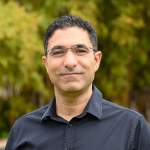
 
 
Dr. Tsvi Tlusty  Dr. Omer Reingold    Prof. Vered Rom-Kedar
Dr. Tsvi Tlusty                               Dr. Omer Reingold                      Prof. Vered Rom-Kedar 
 
 
Prof. Nir Davidson   Dr. Ehud Altman   Dr. Nirit Dudovitch
Prof. Nir Davidson                      Dr. Ehud Altman                           Dr. Nirit Dudovitch 


Feinberg Graduate School
The Feinberg Graduate School currently boasts 685 Ph.D. students (47% women) and 275 M.Sc. students (44% women). Together with the multi- cultural community of 241 postdoctoral fellows, this vibrant group of young researchers significantly contributes to the Institute's creative ambience. Many participate actively in campus life, backed by a student council that organizes such events as the annual Student Day and advocacy of a new child care center on campus.
 
We have taken steps to shorten the length of study for the Ph.D. degree, which on average is 4.5 years; excepting the track we offer to outstanding medical doctors, who can complete the program in just three years. A recently initiated program aims at encouraging our most brilliant M.Sc. students to undertake a direct track to the Ph.D. Another new procedure, recently instated by the Institute's Scientific Council, expedites the approval process of doctoral dissertations.
The first class of the recently established teaching certification program for Weizmann Institute graduate students is about to complete its studies. The program aims to enable our graduates to choose a career in science teaching in high schools. Close to 30 students from all faculties are currently training in the program, which includes active teaching in local high schools. In the long term, the program will supply a much needed infusion of science educators of the highest caliber into our national education system.
 
Last year, I initiated fellowships aimed at encouraging women scientists to undertake postdoctoral training abroad and return to a research career. The first fellowship was given to physicist Dr. Nirit Dudovitch, who is currently pursuing her studies at the University of Ottawa, Canada. The second went to chemist Dr. Iris Visoly-Fisher, now at Arizona State University.
 
Prof. Hadassa Degani, whom I appointed as Adviser to the President on Women's Issues, organized three meetings on campus under the heading "Women in Science" during the year. In addition, the graduate students organized monthly "Woman-hood Meetings," devoted to various issues related to career, family and professional advancement. For International Woman's Day, the students organized a symposium entitled: "Who's Afraid of Feminism?"
 
The Campus and the Community
The Institute's extensive extramural science education program is one of the most active among Israeli institutions, or even worldwide. Weizmann Institute scientists and research students from all faculties lead science workshops for school classes, after-school science clubs and outreach programs via our Science Mobile. Math Olympiads and physics, space science and computer science competitions inspire budding young scientists. Over 30,000 Israeli and foreign students take part in at least one of these activities each year. The Dr. Bessie F. Lawrence International Summer Science Institute and the De-Shalit Workshop are well known internationally not only for their 40-year-long tradition but also due to the unique involvement of the participants in actual research.
There is no better evidence of the Institute's contribution to the community than the intensive four-year science enrichment program for Ethiopian immigrants. Our community also extends to the former U.S.S.R. and Canada, where thousands of students now take part in the recreational Math-by-Mail clubs (translated into Russian and English). Young@Science is also engaging adults in a variety of activities, such as the monthly Astronomy Club, the Science Cafe and popular science lectures.
 
The latest addition to the Clore Garden of Science is the new Joe Weinstein and Major Max L. Shulman EcoSphere, a glass-enclosed geodesic dome that will be home to a variety of life forms and experiments for demonstrating biological and ecological processes. The EcoSphere will enable visitors to explore and seek answers to basic biological questions - a feature hitherto largely absent in the Clore Garden of Science exhibits - opening doors to studies in botany, agriculture, medical research, the environment and more.
 
Once again during this year's Passover holiday, the Science Festival, run by the Clore Garden of Science, offered orkshops, demonstrations, lectures and performances for a crowd of about 15,000 visitors. A number of Institute friends generously contributed toward its costs, as did the municipality of Rehovot.
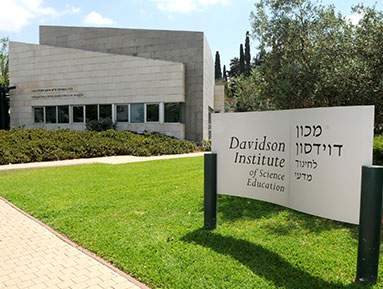
The Davidson Institute of Science Education continues to flourish. Among its numerous new educational projects, two are noteworthy. In the  "KATOM" project, the students and teachers in five junior high school classes have been equipped with laptop computers for use in teaching and studies in all subjects, allowing them to explore the myriad opportunities that the technology offers. In the second project, several series of well-attended presentations on scientific issues of current interest were offered to the general public. Both programs will be widely expanded in the coming years. Other Davidson Institute endeavors cater to high school age students all the way from "at-risk youth" to the most gifted and advanced students, and to science teachers at all levels.
 
On the national science scene, the Institute hosted the Rehovot Conference - a day-long meeting devoted to the role of science in Israel's development. Participants included high-level officials in various government ministries, Prime Minister Ariel Sharon, Finance Minister Benjamin Netanyahu, Governor of the Bank of Israel Stanley Fischer and the Institute's scientific leadership.
 
The Institute's Finances
We continue to maintain a balanced budget - thanks to stringent discipline in expenditures and measures taken to improve efficiency in our administrative operations. Significant savings were obtained by tightening procedures in negotiations with suppliers and contractors and by reducing costs, despite price rises in several important areas. We have also encouraged a number of early retirements.
 
In recognition of our exemplary budgetary discipline and efficiency, the PBC (the government's Planning and Budgeting Committee) has promised to increase its support to the tune of NIS 8 million in the coming fiscal year and NIS 12-20 million annually, a total of about NIS 45 million over the next five years. In response to my intensive efforts, the government has agreed to revise the formula governing the basis used to calculate our allocation. The existing formula rewards growth and quantity, not quality or productivity, which essentially means that other institutions with far larger student populations and many more academic subject areas take an increasingly larger portion of the government funding pie. I am pleased to report that this revision, which more fully and fairly recognizes the high quality of our research, will channel additional funds to the Institute.
 
These positive gestures, however, offer only small comfort. The decline of the past five years in government support has brought its share in our budget to an unprecedented low of just under 36% of our total $181 million budget.
 
The threat of new budget cuts has become a permanent feature in the lives of all higher education administrators in recent years, with new black clouds continually looming on the financial horizon. Retroactive taxation on student scholarships and postdoctoral fellowships is brewing as the next crisis. I mention this threat (one of several) in the same breath as our balanced budget in order to convey as forcefully as I can the precarious acrobatic act of annual budget balancing and our built-in difficulty to plan rationally for the long term.
 
Making up for the shortfall in government support, which funds general operating needs such as salaries, student scholarships, administrative expenses, maintenance and technical services, etc., by income from other sources - donations, research grants, royalties and investments - is far from simple. Only a part of the royalties and investment income can be used for our general operating needs, while donations are largely earmarked for specific projects, and research grants entirely so.
 
The Weizmann Global Endowment Management Fund (W-GEM) continues to serve as a solid pillar of the Institute's operating budget by managing our growing endowment and consistently deriving a substantial rate of return on investment. The endowment's contribution to the operating budget has increased significantly over the last few years, primarily as a result of these efforts. The monthly transmission of these funds, as regular as a Swiss clock, protects the Institute against currency fluctuations and helps us to weather repeated government-imposed budget cuts.
 
Research grants obtained through the talents of our scientists constitute 24% of the budget, with a small decline in income from Israeli sources offset by a small increase in foreign grants. In this area, the Institute remains highly competitive.
 
Yeda, the Institute's arm for commercializing its research, has had a good year. In the period of July 2004 to June 2005, Yeda filed 53 patents, signed 26 licensing agreements and established three startup/incubator companies. Another three companies are likely to be established by the end of this year.
 
Campus Infrastructure and Development
A number of new facilities were launched in the past year: In November 2004, the Arthur and Rochelle Belfer Building for Biomedical Research became the home of the Molecular Genetics Department. It is an elegant structure that extends the life sciences area. We also dedicated the Ruthie and Samy Cohn Student Residence and the Jean Goldwurm Scientific 3-D Visualization Theater. In the coming year, we will make a significant investment in enhancing the external sturucture of the building housing the Institute's central computing and administration facilities, thanks to a major gift recently received from Dr. Karl and Leila Ribstein.
 
A special committee I appointed this past year reviewed the Institute's real assets and, with its thoughtful recommendations, lent support to current Institute policies and future plans. In a related issue, we have reached a final agreement, in a spirit of good will and cooperation, with the municipality of Rehovot regarding payment of municipal taxes.
 
International Ties and Fundraising
With the improvement in security conditions in Israel in the past year, we enjoyed an influx of visits to the campus and a revival of our vibrant scientific ties with colleagues around the world. Among our notable visitors was German President Horst Koehler, who met a sizable group of German scholars, postdoctoral fellows and students on campus. We also hosted numerous ambassadors and foreign government ministers, Institute donors and friends, scientists and ordinary citizens.
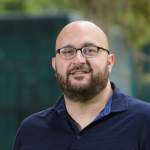
 
A number of outstanding new gifts were made this year, of which I will mention only the most salient. First and foremost was the $20 million commitment of Dr. Albert Willner and his family to the establishment of the Willner Family Leadership Institute for the Weizmann Institute of Science.

 
Morris Kahn of Israel, through the Kahn Family Foundation for Humanitarian Support, has committed $10 million for the large project in systems biology described above.
 
Mrs. Lily Safra and the Edmond J. Safra Philan-thropic Foundation have pledged a multidisciplinary research building.
 
Several new Professorial Chairs, each an endowment of $1.5 million, were pledged this year by: Board Deputy Chair Bob Drake and his mother Erica Drake; Board member Barbara Levinson and her son, Board member and Chair of our American Committee Bob Machinist; and the Dorset Foundation of the U.K. A fourth Professorial Chair is being established in memory of the late Maurizio Pontecorvo of Italy.
 
We have received a pledge of $1.9 million from the L. and R. Anixter Family Foundation and the Edward and Edith Anixter Foundation of Chicago for the construction of an Early Childhood Village that will greatly benefit the young scientists, students and staff who require preschool day care for their children.
We continue to seek gifts for a number of high-priority infrastructure projects, among them a much needed facility for preclinical research, which will enable Weizmann Institute scientists to develop accurate models for human diseases in experimental animals; and a plant growth research facility, to be completed in the Fall of 2005. Likewise, we seek major gifts for endowed centers and projects in such areas as stem cells, proteomics, water and climate, particle astrophysics, brain and bionics, lasers and optics, and many others.
 
These and other projects are being promoted in the framework of the Global Partnership Campaign, which we have undertaken with the primary goal of significantly increasing our endowment and ensuring the Institute's long-term financial well-being. We have made a very good start, as indicated by the successes highlighted above, a mere sampling of our significant achievements in the past year. In this framework, our committees of friends have been remarkably imaginative in devising new ways to attract prospective supporters and reward old friends. These include the very successful "Science at Sea" cruise program and multiple missions to the campus sponsored by the American Committee, and the spectacular series of four concerts orchestrated by Dr. Robert Parienti and organized by Weizmann UK, the European Committee, the France-Europe Committee and the Israeli Association of Friends.
 
I am particularly grateful to the members of the Global Partnership Campaign Cabinet: Stuart Eizenstat on the Campaign Advisory Board; Gershon Kekst, Global Chair; and Bob Drake, Executive Chair; together with our lay leaders around the world: Bob Machinist and Alan Fischer (U.S.A.), Tom Beck (Canada), Maurice Dwek and Dame Vivien Duffield (Europe), the Hon. Sir David Sieff (U.K.), Gideon Hamburger (Israel), Roberto Kaminitz (Latin America) and Leon Schidlow (Central America).
 
Not least, I warmly thank the Executive Directors for their extraordinary talents and dedication: Martin Kraar, Harold Adler and Jay Leipzig, U.S.A.; Sheridan Gould, U.K.; Dov Keren-Ya'ar, Europe; Michael Meyer, Canada; Robert Parienti, France-Europe; Arie Zehavi, Latin America; and Nilly Shapira, Israel. The latter has recently been succeeded by Yaffa Shoval Fainaru as Executive Director of our Association of Israeli Friends.
 
I am grateful to our many kind and thoughtful supporters around the globe, who care deeply about the Institute and Israel, about science and the welfare of humanity. I am also grateful to all the professional teams, who have been working full steam to raise impressive resources for the Institute. We have seen important gains and achievements in all committees, with one sad loss: Arthur Konviser, President of our Canadian Society, a loyal friend and energetic leader, passed away this year.
 
Our development and PR operation has undergone some structural and personnel changes. We have recruited Amalia Waxman to head the Division of International Affairs and Public Relations. She will supervise the Levinson Visitors Center, the Publications and Media Relations Department and the Resource Development Department. The latter is now headed by Tamar Vital.
 
Thanks
I thank all my colleagues at the Institute and beyond for their invaluable support: Stuart Eizenstat, Board Chair; Abraham Ben-Naftali, Chair of the Executive Council; the Deputy Chairs of the Board, Chairs and members of the Board committees, and the entire Board membership; Prof. Yehiam Prior, Chair of the Scientific Council; my Vice Presidents, Sam Safran, Haim Garty and Gad Kober, deans of the faculties, and department heads. I am grateful to the scientific, technical and administrative staff for their loyal and excellent service and to the entire Weizmann Institute global "family" in Israel and abroad for their unstinting support.
 
 
Tags:
  • ""
  • Print this page »

Edit block | Delete block

Download our FREE Interface Magazine App for iPad and Android

Secondary Links

  • Contact Us
  • Visit Us
  • How to Get Here
  • Campus Map
  • Site Map
  • Privacy
  • Terms of Use
  • Supporting Committees
  • Credits

Get RSS
© Weizmann Institute of Science 2012. All rights reserved
Follow us on:
[Jump to Top] [Jump to Main Content]