

Are you a journalist? Please sign up here for our press releases
Subscribe to our monthly newsletter:
Professor Ada Yonath, laureate of the 2009 Nobel Prize in Chemistry and the Israel Prize, and an international model of scientific courage and perseverance, passed away on August 31, 2026. She was 87.
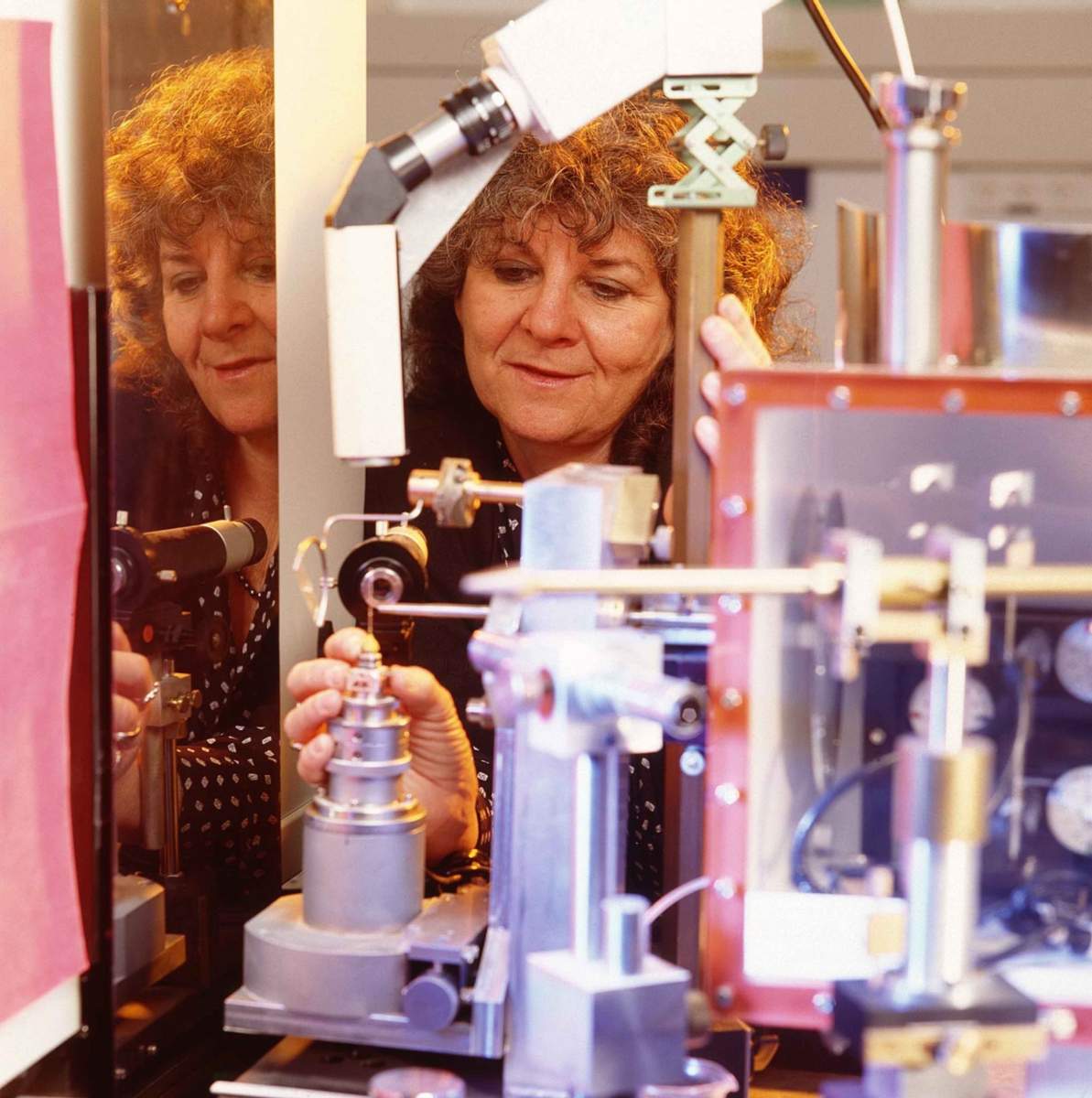
Yonath, of the Weizmann Institute of Science’s Chemical and Structural Biology Department, pioneered the study of ribosome structure using crystallography and was awarded the Nobel Prize for her research in this field. Her decades-long scientific journey began with basic research aimed at deciphering the workings of one of nature’s most complex biological machines. Her research later led to an understanding of how certain antibiotics work, helping pave the way for the development of more advanced antibiotics and the fight against antibiotic-resistant bacteria – one of the most pressing medical challenges of the 21st century.
Weizmann Institute President Prof. Alon Chen said in her memory: “Ada was an exceptional scientist who never hesitated to choose a path that others considered impossible and to pursue it for decades with determination, curiosity and courage. Her breakthrough in the study of the ribosome transformed our understanding of one of life’s most fundamental processes and opened up new possibilities for combating antibiotic resistance. But Ada’s legacy extends far beyond her scientific achievements. She showed generations of scientists what can be accomplished when one dares to ask big questions and persists in the search for answers. Ada was an Institute Professor – the highest title the Weizmann Institute bestows on a select group of outstanding scientists – and she continued to conduct research and publish papers, run an active laboratory and maintain scientific collaborations until the very last days of her life.”
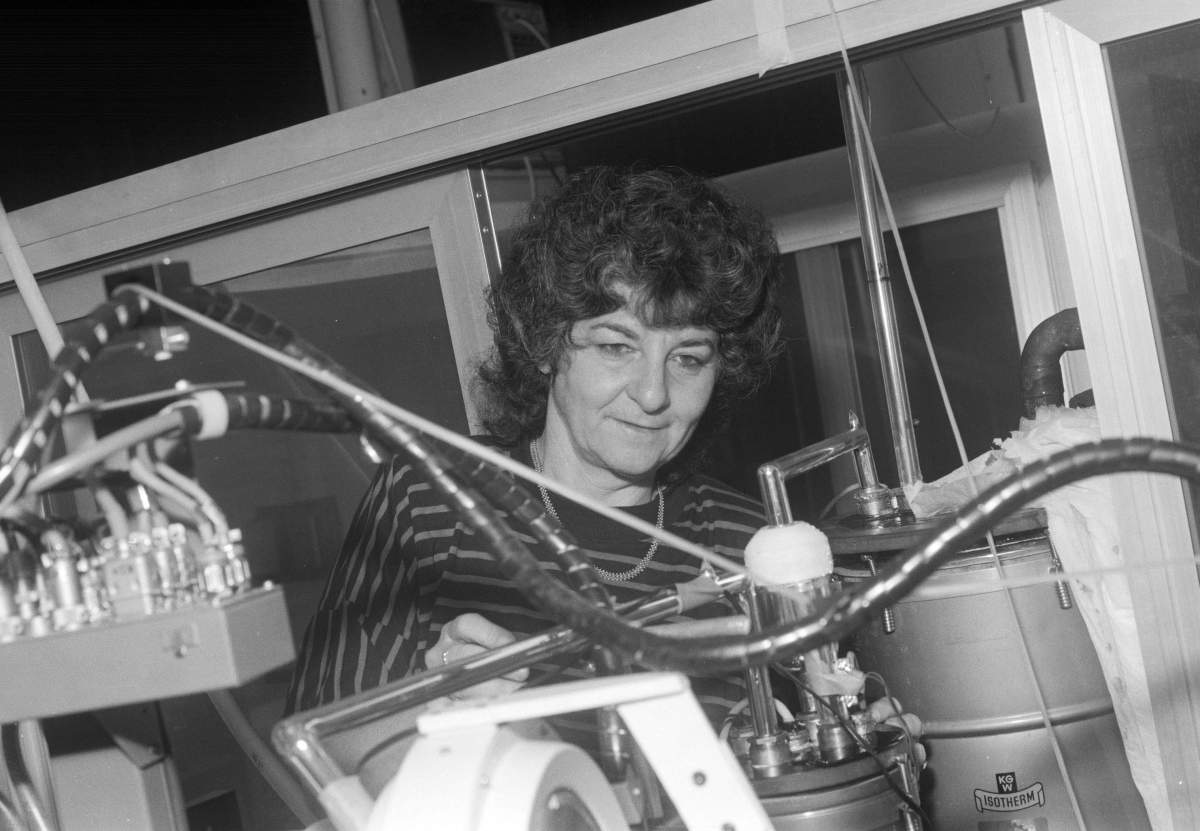
Yonath’s path in science required courage and dedication from the outset. In the late 1970s, when she was a young researcher at the Weizmann Institute of Science, she decided to tackle one of the key questions concerning the workings of living cells: to decipher the structure and mechanism of action of ribosomes, tiny, complex machines that serve as the cell’s protein factories. Solving the structure of the ribosome would give scientists unprecedented insight into how information encoded in genetic material is translated into proteins.
Revealing the secrets of a biological machine generally requires producing its crystals, but when Yonath began this work, most scientists believed it was impossible to crystallize a complex as large, irregular and unstable as the ribosome. Leading scientific teams around the world had already tried and failed to coax this complex into crystalline form. But Yonath continued her research despite widespread skepticism in the scientific community. “People called me a dreamer,” she recalled.
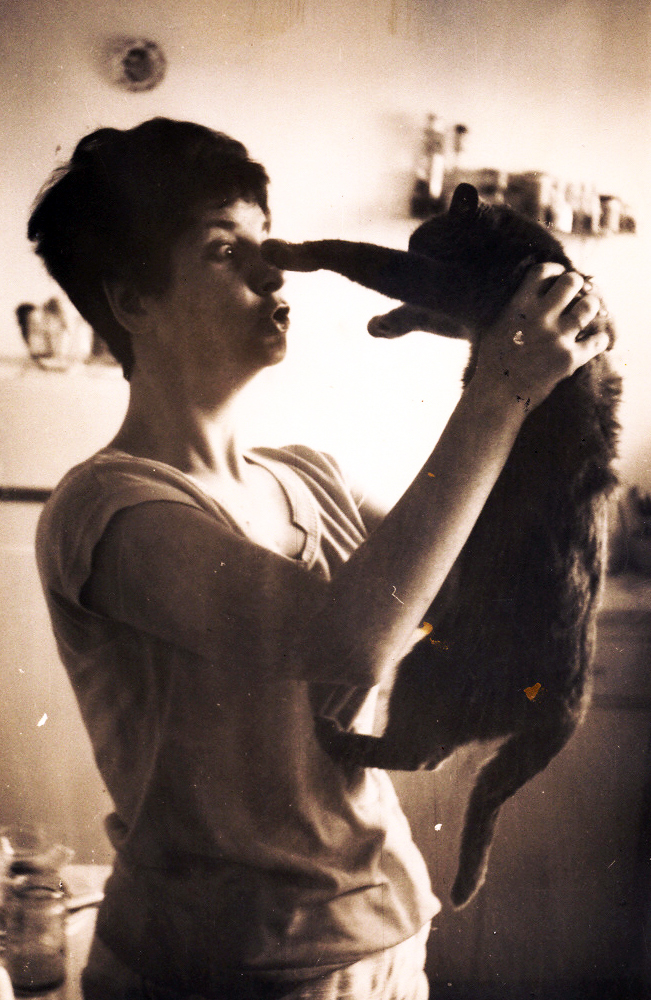
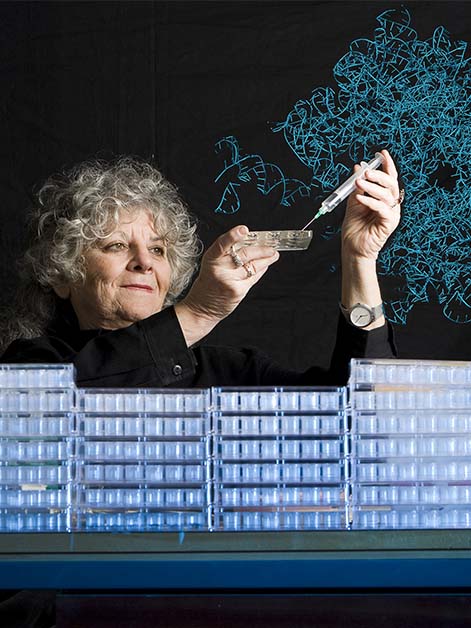
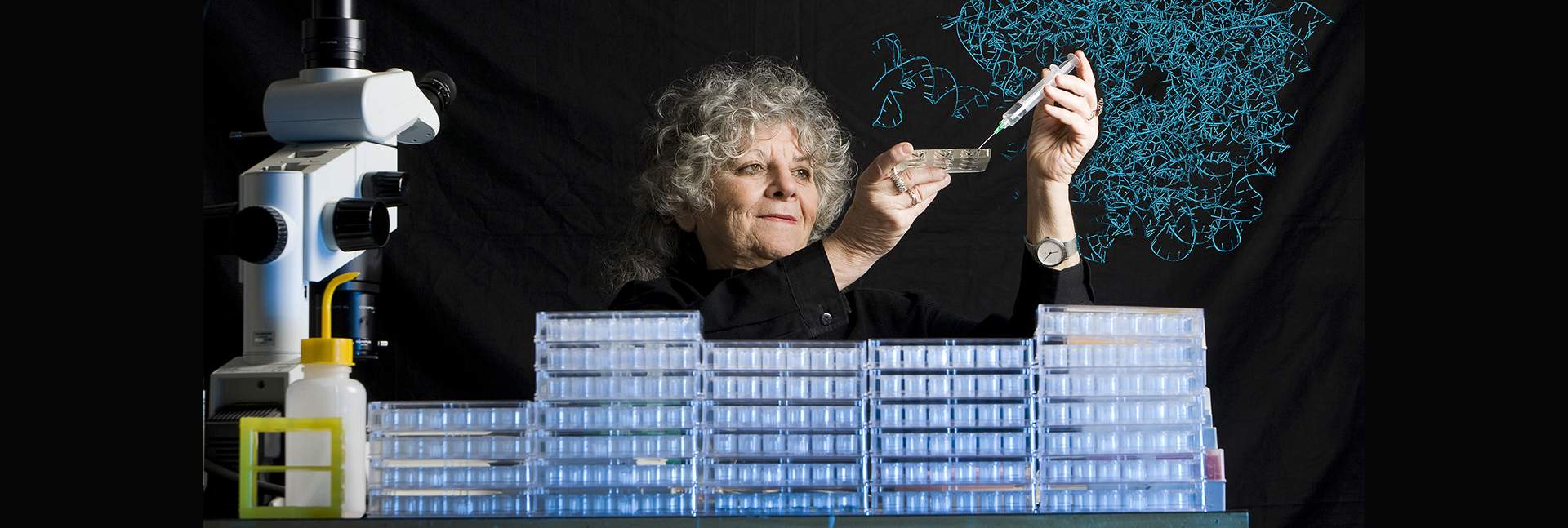
Dreamer or not, it was hard work that brought results. Yonath and her colleagues made a staggering 25,000 attempts before succeeding in producing the first ribosome crystals in 1980. And their work was only beginning. Over the next 20 years, Yonath and her colleagues continued to refine their methods. The techniques she developed for determining ribosomal structure are now widely used. In particular, she introduced a new technique known as cryobiocrystallography – the flash-freezing of crystals – which greatly reduces the damage that occurs when biological crystals are exposed to powerful X-rays.
""Ada continued to conduct research and publish papers, run an active laboratory and maintain scientific collaborations until the very last days of her life"
In 2000, teams at the Weizmann Institute and at a Max Planck Society research unit in Hamburg, Germany – both headed by Yonath – determined, for the first time, the complete three-dimensional structures of both subunits of a bacterial ribosome. The editors of the journal Science included this work among the ten most important scientific developments of the year. The following year, Yonath’s teams determined, for the first time, how several potent, clinically relevant antibiotics bind to bacterial ribosomes, thereby preventing bacteria from producing the new proteins they need. These studies revealed the antibiotics’ mechanisms of action and showed how disease-causing bacteria develop antibiotic resistance. This research helped pave the way for the structure-based design of new antibiotics and the improvement of existing therapies.
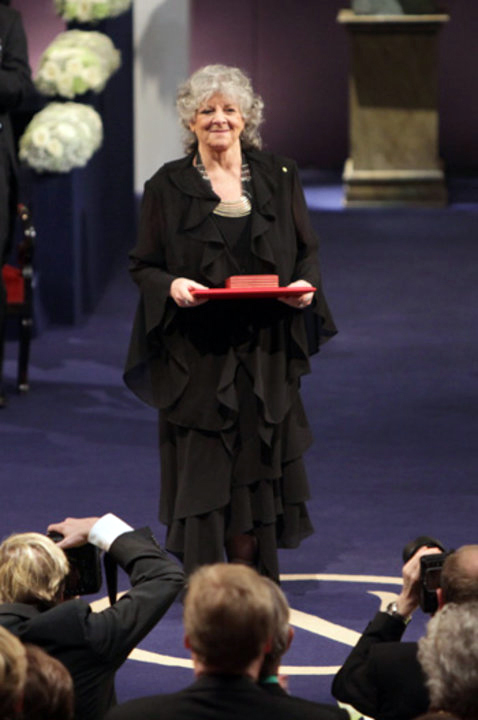
After studying chemistry at the Hebrew University of Jerusalem, Yonath earned her PhD in X-ray crystallography from the Weizmann Institute of Science in 1968. She pursued postdoctoral research at Carnegie Mellon University and the Massachusetts Institute of Technology. In 1970, she established Israel’s first protein crystallography laboratory at the Weizmann Institute, which remained the only laboratory of its kind in the country for nearly a decade. She held various senior positions at Weizmann, including head of the Structural Chemistry Department (1989–1990), head of the Structural Biology Department (1992–1994) and director of the Mazer Center for Structural Biology (1988–2004). She was the incumbent of the Martin S. and Helen Kimmel Professorial Chair and directed the Helen and Milton A. Kimmelman Center for Biomolecular Structure and Assembly. From 1986 to 2004, she headed a Max Planck Society research unit in Hamburg, Germany.
Yonath was a member of numerous academies and scientific organizations, including the US National Academy of Sciences; the American Academy of Arts and Sciences; the Israel Academy of Sciences and Humanities; the European Academy of Sciences and Arts; the European Molecular Biology Organization; the Pontifical Academy of Sciences; and the International Academy of Astronautics.
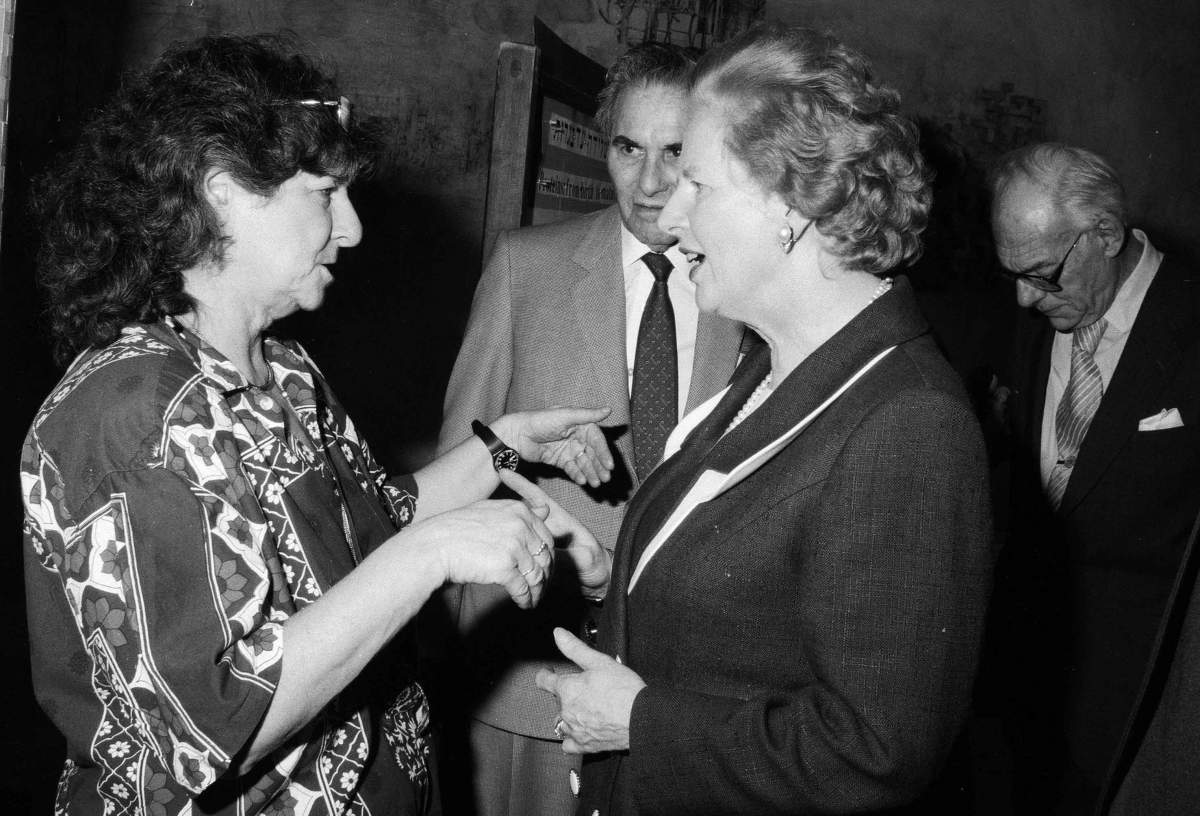
In addition to the Nobel Prize, Yonath received numerous awards, including the first European Crystallography Prize (2000), a Certificate of Distinction from the US National Institutes of Health (2000), the Israel Prize in Chemistry (2002), the Harvey Prize from the Technion – Israel Institute of Technology (2002), the F. A. Cotton Medal of the American Chemical Society (2002), the Anfinsen Award of the Protein Society (2003), the University of Zurich’s Paul Karrer Gold Medal (2004), the Massry Prize, administered by the University of Southern California (2004), the Louisa Gross Horwitz Prize of Columbia University (2005), the Rothschild Prize in Life Sciences (2006), the EMET Prize in Life Sciences (2006), the Paul Ehrlich and Ludwig Darmstaedter Prize (2007), the Wolf Prize in Chemistry (2007), the L’Oréal-UNESCO International Award for Women in Science (2008), the George E. Palade Gold Medal (2008), the Linus Pauling Medal (2008), the Albert Einstein World Award of Science (2008), the Erice Prize for Peace (2009), the Maria Skłodowska-Curie Medal of the Polish Chemical Society (2011), the President of Panama Award (2011), the Academia Sinica Award, Taiwan (2012), the Röntgen Medal, Germany (2015) and the George Sigerson Award of the University College Dublin Biological Society, Ireland (2020).
Moreover, she was awarded honorary Doctor of Science degrees by some 40 universities around the world, including the University of Oxford (2008), New York University (2011), the Technical University of Berlin (2014), Moscow State University (2015), the University of Strasbourg (2016) and Hainan University, China (2023).
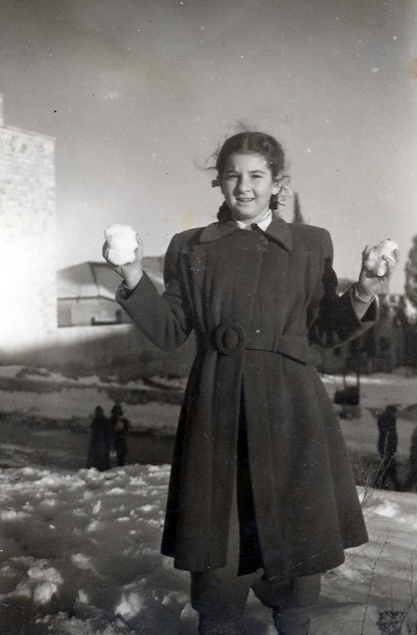
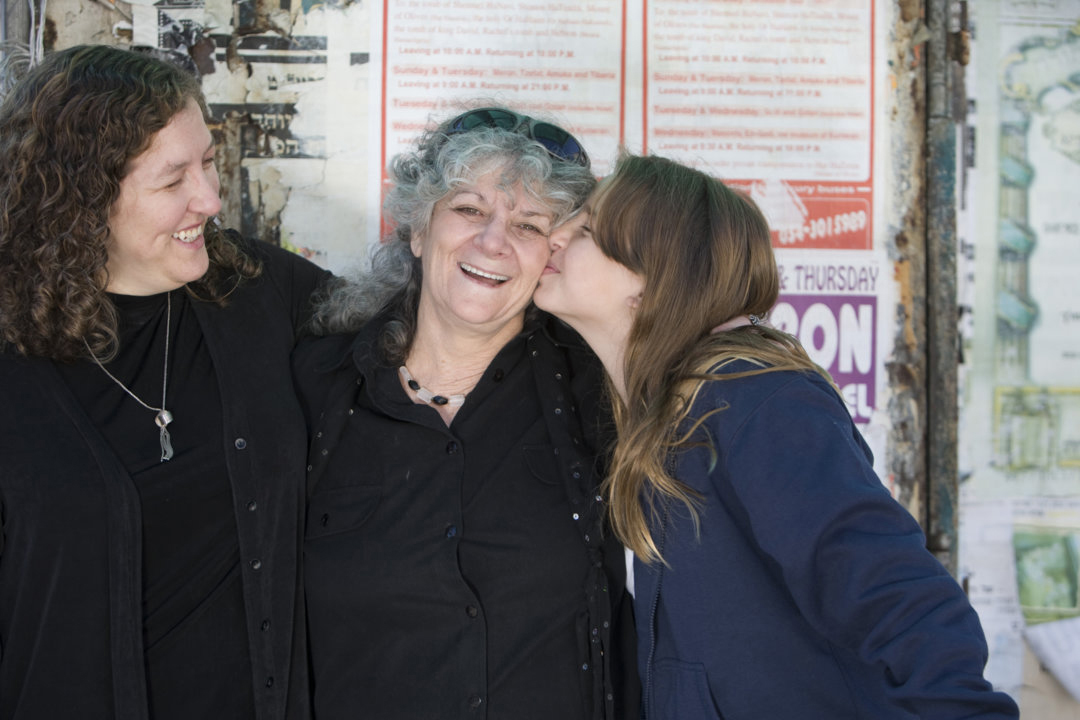
Born in Jerusalem in 1939 into a poor, traditional family, Yonath lost her father at an early age and had to begin working before she was 12. Her mother, who was left to raise Ada and her baby sister, made tremendous efforts to ensure that Ada could continue her studies. Later in life, Yonath enjoyed sharing her scientific interests with her own daughter, Dr. Hagith Yonath, a physician specializing in internal medicine and human genetics. Of all the prestigious awards Yonath received, the one she valued most was the Grandmother of the Year award given to her by her granddaughter Noa, who, at the age of five, invited her to explain to the children in her kindergarten how the ribosome works.
Prof. Yonath was a model of scientific vision, of the courage to choose a significant scientific question and of the dedication required to pursue it to its conclusion – expanding knowledge for the future of humanity.