During the COVID-19 pandemic, we wore masks and kept two meters apart in an effort to reduce the spread of the tiny droplets we release into the air with every breath, conversation or cough. The main goal was to reduce the number of virus particles – known as virions – to which we were exposed. For each virus, a person must be exposed to a minimum infectious dose to develop disease, and in many cases, the larger the dose, the more severe the illness. Until now, virologists have addressed the infectious dose mainly at the level of the whole organism, but scientists from the laboratory of Prof. Noam Stern-Ginossar at the Weizmann Institute of Science have discovered that the fate of an individual infected cell, too, depends on the number of virions that enter it. In a study published in Nature Communications and focusing on herpesviruses, the researchers reveal that the cellular infectious dose determines whether a virus will become active in the cell or enter a dormant state. These findings pave the way for therapies that could control the outcome of infection.
While most viruses invade a living cell and immediately exploit its machinery to replicate, herpesviruses and HIV have another option: They can wait patiently in a dormant state inside the cell until conditions become favorable. For example, human cytomegalovirus (HCMV), a member of the herpesvirus family, infects most of the world’s population, usually without causing disease, but when the immune system is weakened, the dormant virus can reawaken and cause severe infections. Moreover, HCMV is one of the most common infections passed from mother to fetus, and in a minority of cases it can cause serious harm, including developmental delays and hearing loss.
Among the hiding places for dormant cytomegalovirus in the body are blood-system cells called monocytes. By contrast, macrophages – cells into which monocytes can differentiate – tend to undergo active infection. Since the 1990s, scientists have been trying to understand what accounts for this difference between the two cell types. The leading hypothesis was that monocytes, unlike macrophages, are capable of packaging viral DNA into an especially compact structure that silences it.
""This means that a wide range of tissues in the body may become infected with herpesviruses but, because they have a high infection threshold, they keep the viruses firmly in a dormant, hard-to-detect state"
In the new study, led by doctoral student Yaarit Kitsberg under the supervision of Stern-Ginossar and staff scientist Dr. Michal Schwartz, the researchers examined which genes are expressed in human monocytes. They then differentiated the monocytes into mature macrophages and looked for what had changed.
“To our surprise, we didn’t detect increased expression of the DNA compaction pathway in the monocytes, making it clear that this is not a key factor that determines the outcome of infection,” Kitsberg says. “But we did identify a surprising difference in the mature cells – the macrophages: They overexpress proteins on their surface. One of the main strategies viruses use to invade cells is to bind to such proteins, which led us to wonder for the first time whether the entire fate of the infection might already be determined at the entry gate.”
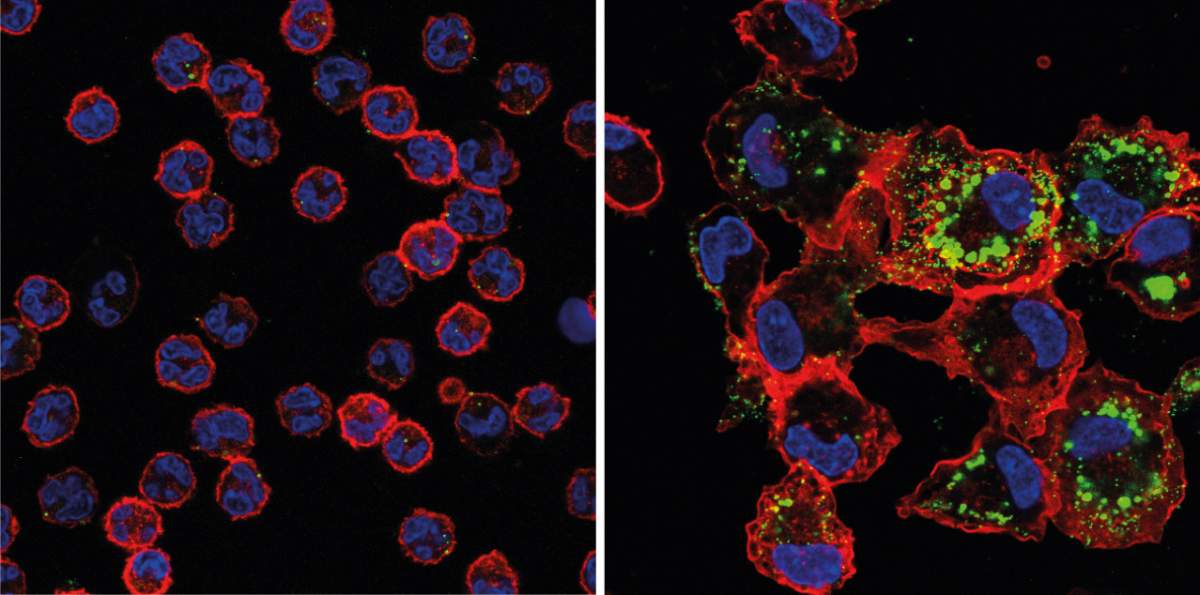
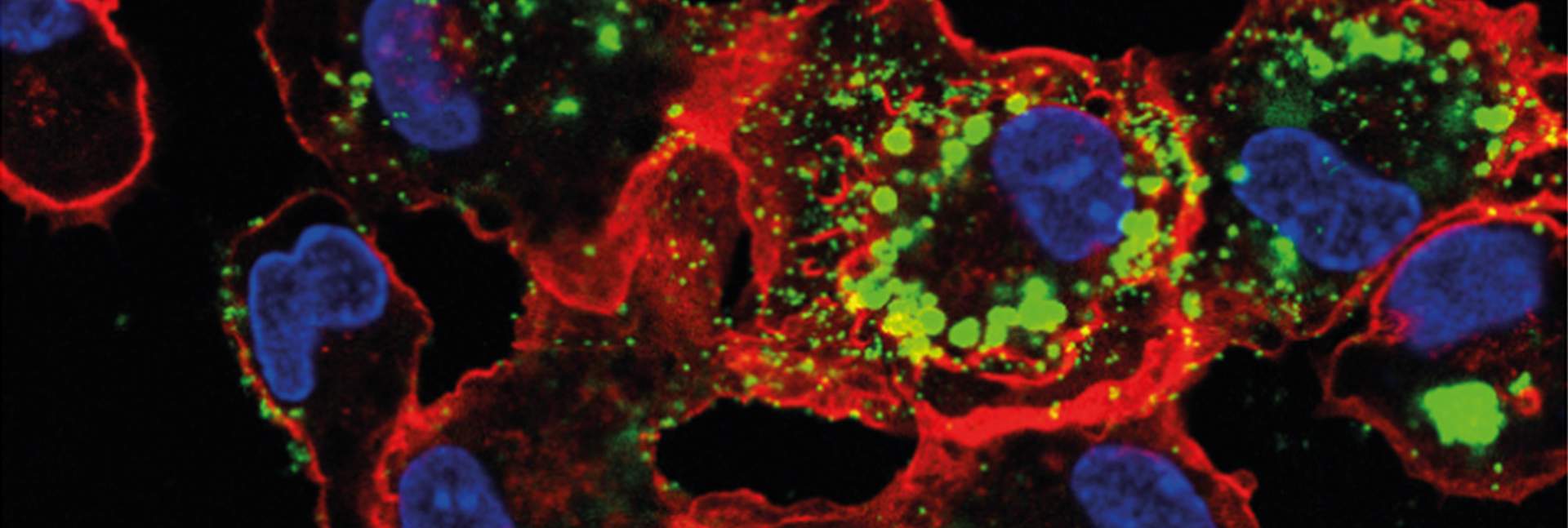
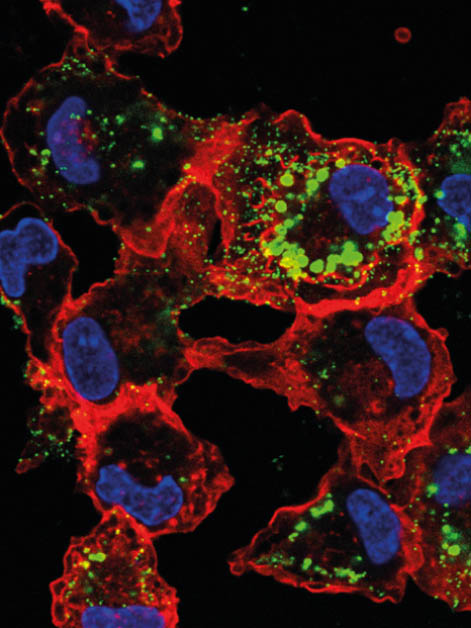
The researchers labeled the virions with fluorescent markers and showed that, because of differences at this entry gate, virions enter macrophages in far greater numbers than they enter monocytes. When the scientists used genetic engineering to add efficient cytomegalovirus receptors to monocytes, the number of virions entering the cells increased 15-fold on average, and the proportion of cells undergoing active infection soared.
“It appears that cells in our bodies have a minimum infectious dose required for an active infection to develop, and that this dose varies from one cell type to another,” Stern-Ginossar explains. “We saw that infecting a cell with a viral dose below this threshold results, at least in some cases, in the virus entering a dormant state. This means that a wide range of tissues in the body may become infected with herpesviruses but, because they have a high infection threshold, they keep the viruses firmly in a dormant, hard-to-detect state. In the coming years, this understanding could shape how we manage herpesvirus carriers.”
Next, the research team sought to determine which of the proteins on the surface of macrophages serve as the virus’s main entry point. This is particularly important because many vaccines – including the COVID-19 vaccine – target the mechanism by which a virus binds to a protein on the cell surface.
“We identified a specific cell-surface protein whose deletion from macrophages significantly reduces the rate of active infection,” Schwartz explains. “However, adding it to monocytes was not enough to increase their rate of active infection. It therefore seems that other surface proteins, perhaps even more important ones, remain to be discovered. There is currently no approved vaccine against cytomegalovirus, and just a few months ago we learned that a leading attempt to develop one had failed. I hope this new knowledge will help change that in the future.”
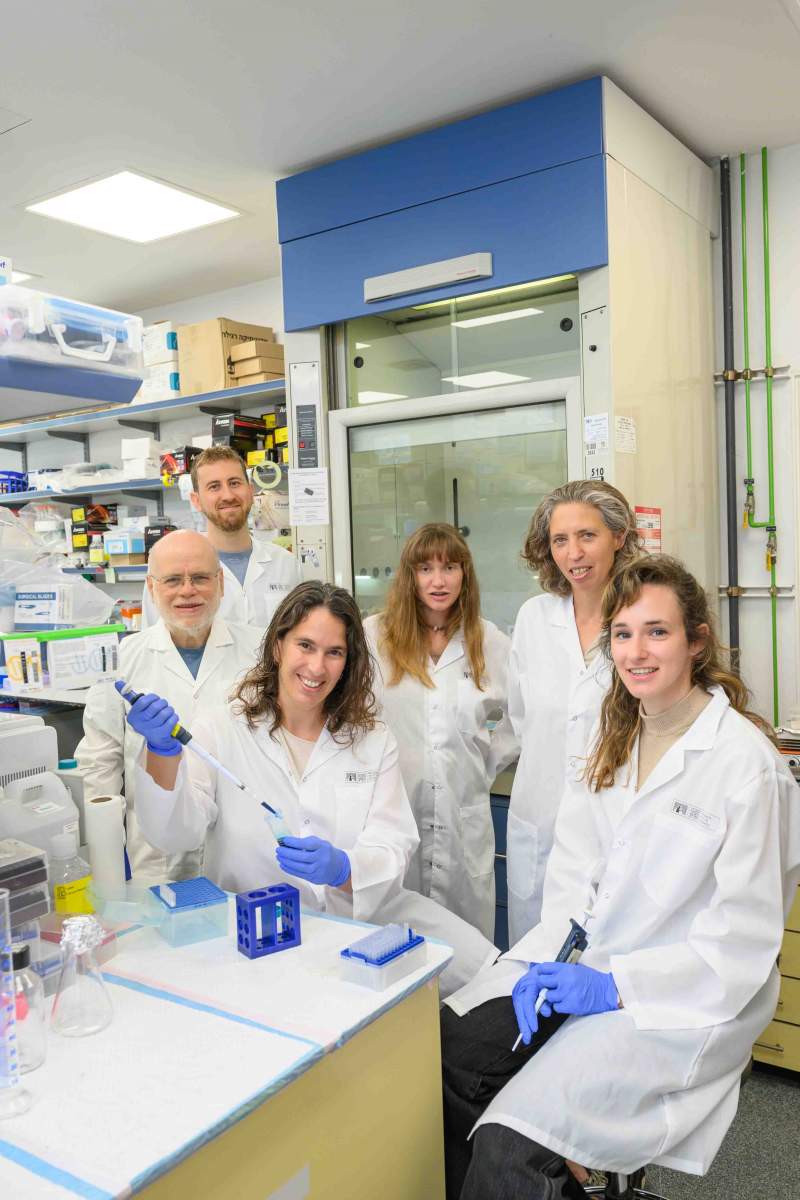
The discovery of the minimum infectious dose left an important question unanswered: What do viruses do once they have entered a cell in sufficient numbers to ensure active infection? In a follow-up study, recently published in the Proceedings of the National Academy of Sciences (PNAS), the researchers investigated a pair of exceptionally powerful viral weapons: the “immediate-early” proteins. Scientists know that when these proteins are expressed at high levels in an infected cell during the first few hours after viral entry, they initiate the chain of events leading to active infection. The virus replicates, the infected cell breaks down, and new virions spread into the surrounding environment.
“We identified the two sophisticated and critical actions through which the immediate-early proteins fulfill their role,” says Kitsberg, who also led the follow-up study under the supervision of Stern-Ginossar and Schwartz. “The first protein dismantles nuclear bodies that try to compact and neutralize the viral genome, while the second forces the cell to stock up on the building blocks needed to make DNA and then make them available to the virus. These actions are sufficient to overcome the obstacles the cell places in the virus’s path and ensure that an active infection gets underway. In fact, dismantling the nuclear bodies alone is enough to awaken a dormant virus.”
“These obstacles are not equally formidable in every cell,” Stern-Ginossar explains. “The more nuclear bodies and the fewer DNA building blocks a cell has to begin with, the larger the dose of virions likely to be required to overcome its defenses. Our findings thus reveal how the minimum infectious-dose threshold is set within the cell. Based on this understanding, we will be able to identify new tissues that harbor dormant viruses under the radar, try to predict the conditions under which a latent infection will flare up, and develop ways to prevent the virus from entering dormancy in the first place – or from reawakening when we are vulnerable.”