

Are you a journalist? Please sign up here for our press releases
Subscribe to our monthly newsletter:
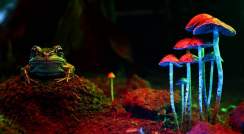
Weizmann Institute scientists decipher how a well-known psychedelic substance is created, then engineer a plant to produce several psychedelics at...

Quantifying wildlife reveals human impact – human movement is 40 times greater than that of all land animals combined; livestock biomass up 400%...
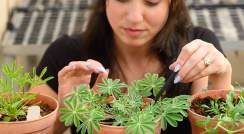
A plant sanctuary established in the Weizmann Institute greenhouses holds valuable lessons for survival and helps to instill a love for plant...
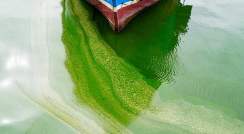
A mysterious menace lurks in the oceans, threatening algal blooms. Weizmann Institute researchers have developed a new way to track the...
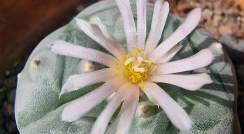
Scientists tackle the thorny issue of securing a sustainable source of the psychedelic for drug development

Altered glucose digested by cancer cells helps reveal tumors’ hiding places
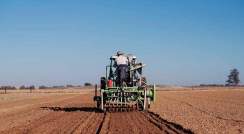
Weizmann Institute of Science’s field experiments with wheat in the northern Negev symbolize hope and renewal after the October 7 attack – and...
A new study at the Weizmann Institute of Science reveals that bacteria can help trees survive water scarcity
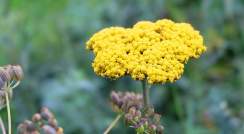
Weizmann scientists revealed the step-by-step production of cannabinoids in a South African plant, pointing to new ways of manufacturing them for...

Wild land mammals weigh less than 10 percent of the combined weight of humans and are outweighed by cattle and other domesticated mammals by a...