

Are you a journalist? Please sign up here for our press releases
Subscribe to our monthly newsletter:
Weizmann Institute researchers discover that transient intestinal inflammation can leave irreversible changes in the gut lining, leading to...

Weizmann Institute and Hebrew University scientists have discovered that stem cell maturation can also serve as an immune defense mechanism...
Weizmann-led international team uncovers a key mechanism of treatment resistance and points to a potential combination therapy
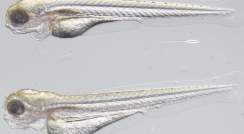
Using transparent zebrafish embryos, Weizmann scientists and Sheba physicians decipher a severe lymphatic disorder and identify a potential...

Scientists discover a rare disorder caused by a missing genetic brake
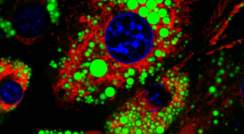
Blocking Mitch, an energy-control protein, prevents fat accumulation in human cells

Weizmann Institute researchers reveal how breast cancer cells enter a state of dormancy, remaining undetected for years, and why they suddenly...

A new Weizmann Institute method provides an unprecedented glimpse into the relationship between...

A new Weizmann Institute approach promises to advance cancer immunotherapy; it increases the proliferation rate of cancer-targeting immune...
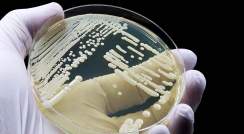
The novel yeast works by outcompeting rivals, Weizmann Institute study suggests