

Are you a journalist? Please sign up here for our press releases
Subscribe to our monthly newsletter:
Phase 1 trial reports positive results for a brain-protective immunotherapy in early Alzheimer's disease.
After transforming the treatment of blood cancers, the CAR-T approach developed at the Weizmann Institute is now showing promise in a mouse...

Understanding how certain proteins work as a team could shed new light on the way cells defend themselves against neurodegenerative disease

Working side by side on their postdocs, this couple feels right at home at Weizmann
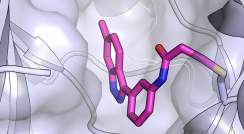
A unique method for identifying bioactive chemical compounds produces a potential new drug molecule

A newly discovered immune cell type may lead to a future treatment for Alzheimer's disease
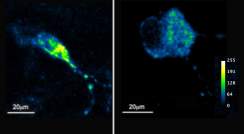
Understanding how a gene studied in one lab affects the basic element researched in another may reveal what goes wrong in Alzheimer's

What makes proteins tick?
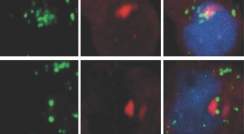
Drops of fat could be key to keeping nerve cells healthy
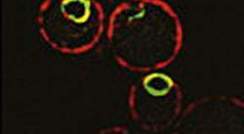
Weizmann Institute researchers reveal an unusual cellular mechanism that may be faulty in Alzheimer’s disease