Back in Time: 2020 in Review
The year 2020 was a difficult year for humanity, but it was also a year in which scientists from all over the world, including quite a few at the Weizmann Institute of Science, joined hands to fight the coronavirus on every front. At the same time, research on other topics did not stop for a moment – even under lockdowns, restrictions and quarantine.

















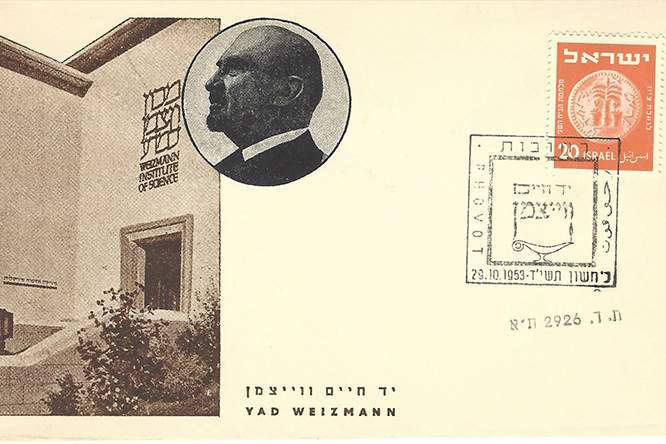





















































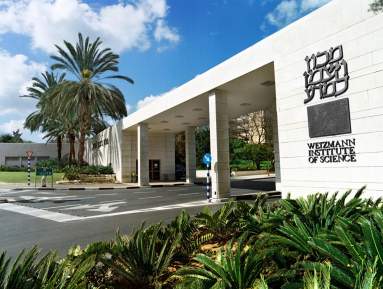


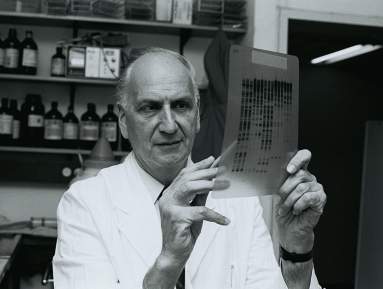
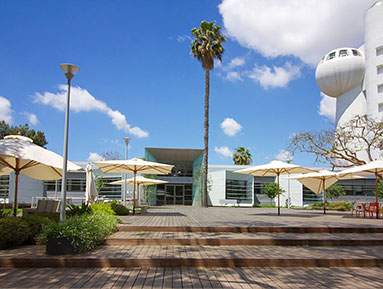







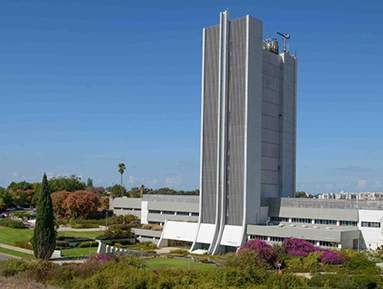
In 1934, Dr. Chaim Weizmann established the Daniel Sieff Research Institute in Rehovot and served as its President following a contribution by Israel and Rebecca Sieff to commemorate their son. As Weizmann pursued his research in the lab, the Institute attracted first-rate scientists from around the world.